



Start Your Aviation Career with Airport Management
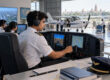
Airport management is an important part of the aviation industry. It includes the planning, handling, and smooth operation of airport services. Airports are busy places where passengers, airlines, staff, luggage, security, and ground operations must work together properly. Airport management training helps students understand how these activities are managed in a professional way.
At Aerostar Jet, students learn the basic and practical knowledge required for airport management careers. The training helps them understand passenger handling, airport safety, customer service, baggage process, check-in procedure, boarding support, and airport communication. These skills are very useful for students who want to work at airports, airlines, travel companies, or hospitality services.
What is Airport Management?
Airport management is the process of managing and controlling different airport services in a smooth, safe, and professional way. An airport is a busy place where many activities happen at the same time, such as passenger check-in, ticketing support, baggage handling, boarding process, airline coordination, security support, customer service, and ground operations. Airport management helps all these activities run properly so passengers can enjoy a safe and comfortable travel experience.
Airport management professionals play an important role in the aviation industry. They help passengers from the moment they enter the airport until they board the flight. They guide passengers, answer their questions, support them during check-in, help with boarding procedures, and coordinate with airline and airport teams.
Importance of Airport Management Training
Airport management training is important because the aviation industry needs skilled, confident, and well-trained candidates. Airports follow proper rules, safety standards, and service procedures. Students who want to work in this field must understand how airports operate and how to handle passengers in a professional way.
Through airport management training, students learn important skills such as communication, grooming, customer handling, airport safety awareness, check-in process, baggage handling basics, boarding support, and airline coordination. These skills help students become job-ready and confident for airport and aviation careers.
Airport Management Course at Aerostar Jet
The airport management course at Aerostar Jet focuses on both theoretical knowledge and practical learning. Students learn about airport operations, passenger handling, airline coordination, customer service, baggage p
rocess, and professional grooming.
The training is simple, practical, and career-focused. It helps students understand real airport situations and prepares them for future aviation career opportunities.
Key Topics Covered in Airport Management
Airport Operations
Students learn how airport departments work together to manage daily operations. This includes passenger movement, flight coordination, airport counters, boarding gates, and ground support services.
Passenger Handling
Passenger handling is a very important part of airport management. Students learn how to welcome passengers, guide them properly, answer their questions, and support them during check-in and boarding.
Check-In and Boarding Process
Students learn the basic process of airline check-in, boarding pass support, document checking, and boarding gate assistance. This helps them understand how passengers are managed before flight departure.
Baggage Handling Basics
Airport management training also includes basic knowledge of baggage handling. Students learn about luggage tagging, baggage movement, baggage safety, and passenger support related to luggage queries.
Customer Service Skills
Good customer service is very important in aviation. Students learn how to speak politely, handle passengers professionally, solve basic complaints, and provide helpful service.
Airport Safety and Security Awareness
Students get basic knowledge of airport safety rules, security awareness, passenger discipline, and emergency handling support. This helps them understand the importance of safety in airport operations.
Airline Coordination
Airport staff must coordinate with airline teams, security staff, ground handlers, and passengers. Aerostar Jet trains students to understand the importance of teamwork and professional communication.
Grooming and Personality Development
In aviation, appearance and confidence matter a lot. Students learn professional grooming, body language, dressing sense, manners, and positive attitude.
Interview Preparation
Aerostar Jet helps students prepare for aviation interviews. Students learn how to answer questions, introduce themselves, improve confidence, and present themselves professionally.
Communication Skills
Good communication is very important in airport management. Students learn how to speak clearly, politely, and confidently with passengers, airline staff, and airport teams. Strong communication skills help students handle passenger queries, give proper guidance, and create a positive travel experience.
Skills You Develop in Airport Management
By joining airport management training, students can develop many useful skills that help them prepare for aviation, airport, airline, travel, and hospitality careers. Airport jobs require more than basic knowledge. Students also need confidence, discipline, communication, grooming, and customer service skills to work professionally in this field.
At Aerostar Jet, students get training that helps them improve both technical understanding and personality development. These skills make students more confident and ready for airport and airline job opportunities.
Customer Handling Skills
Airport staff meet many different types of passengers every day. Students learn how to welcome passengers, understand their needs, answer questions, and support them during check-in, boarding, and baggage-related situations. Good customer handling skills help create trust and comfort for passengers.
Problem-Solving Ability
Airports can sometimes face delays, passenger confusion, baggage issues, or service-related problems. Airport management training helps students learn how to stay calm and solve basic problems in a professional way. This skill is very useful for ground staff, customer service executives, and passenger service agents.
Teamwork
Airport operations depend on teamwork. Students learn how to work with airline staff, security teams, ground handling teams, and customer service teams. Good teamwork helps airport services run smoothly and safely.
Time Management
Time is very important in aviation. Flights, check-ins, boarding, baggage movement, and passenger services must be handled on time. Students learn how to manage tasks quickly and responsibly without affecting service quality.
Professional Grooming
In the aviation industry, first impression matters a lot. Students learn professional grooming, dressing style, body language, personal hygiene, and proper presentation. Grooming helps students look confident and professional during interviews and at the workplace.
Confidence Building
Many students feel nervous during interviews or while speaking with new people. Airport management training helps students build confidence through practice, communication activities, and personality development. Confidence helps students perform better in interviews and job roles.
Discipline and Responsibility
Airport jobs require discipline, punctuality, and responsible behavior. Students learn the importance of following rules, maintaining professionalism, respecting safety procedures, and completing duties properly. These qualities are highly valued in the aviation industry.
Basic Aviation Knowledge
Students learn basic knowledge about airport operations, airline services, passenger handling, check-in process, boarding support, baggage handling, safety awareness, and airport coordination. This knowledge helps them understand how the aviation industry works.
Interview Confidence
Interview preparation is an important part of airport management training. Students learn how to introduce themselves, answer common interview questions, improve body language, and present themselves professionally. This helps them feel more prepared for airport and airline job interviews.
Scope of Airport Management in India
The aviation industry in India is growing, and airports are becoming busier every year. This creates more demand for trained professionals in airport operations, passenger service, ground handling, ticketing, travel support, and customer care.
Students who complete airport management training can explore career opportunities in airports, airlines, travel agencies, tourism companies, hotels, and hospitality services. It is a good career option for students who want a professional and service-based job.
FAQs – Airport Management
Airport management is the process of managing airport services such as passenger handling, check-in support, baggage handling, boarding assistance, airline coordination, customer service, and airport safety operations.
Airport management training is important because it helps students learn communication, grooming, customer handling, airport operations, and professional behavior required for airport and airline jobs.
Students after 12th, graduates, and candidates interested in aviation, airport ground staff, airlines, travel, tourism, and hospitality careers can join an airport management course.
Important skills for airport management jobs include communication skills, customer handling, teamwork, time management, problem-solving ability, professional grooming, discipline, and confidence.
After airport management training, students can apply for jobs like airport ground staff, passenger service agent, customer service executive, ticketing executive, baggage service staff, and airport operations assistant.
Aerostar Jet provides career-focused airport management training with practical learning, grooming support, communication improvement, interview preparation, and guidance for airport and airline career opportunities.